


What no-gi actually changes
Without a gi there is nothing to hold. No lapel, no sleeve, no belt. Grips shift to wrists, necks, ankles and heels, and none of them hold for long. Rounds are faster, control is harder to keep, and sweat becomes a factor within minutes rather than at the end of the session.
That is why no-gi kit is not simply lighter training wear. It has to stay in place under constant friction, dry fast enough to matter, and give an opponent nothing to grab.
The three pieces
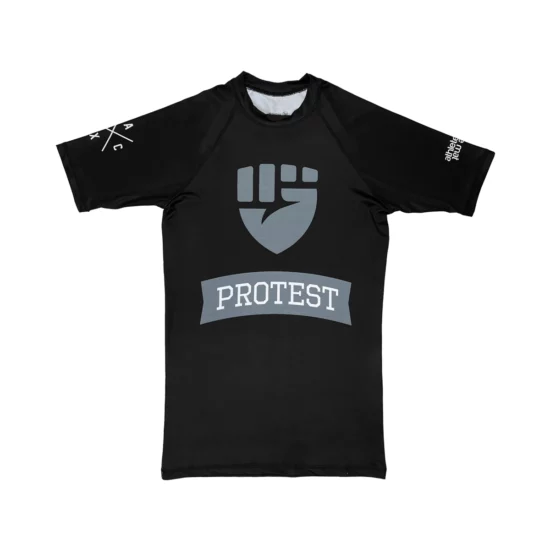
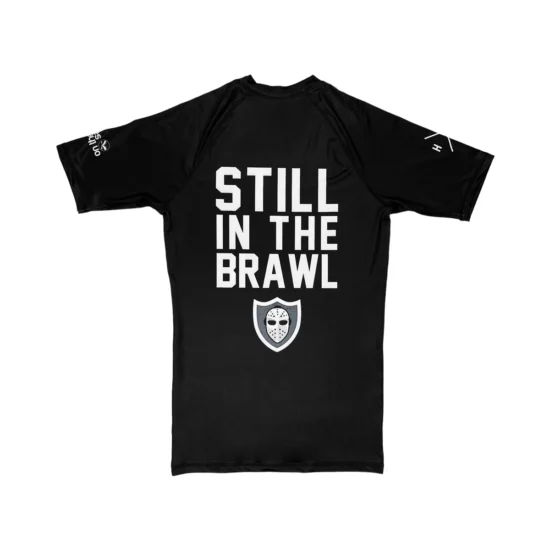
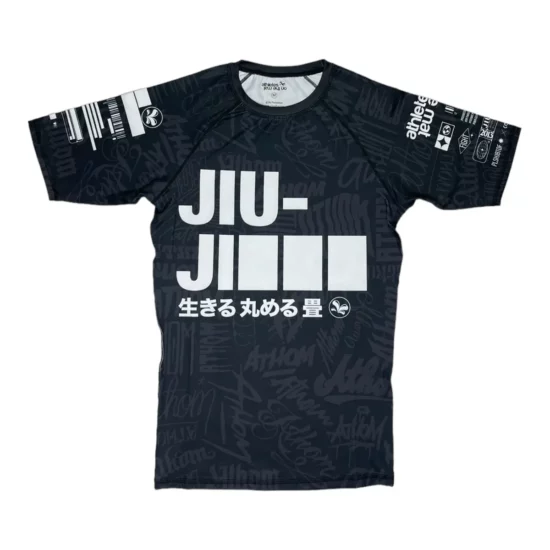
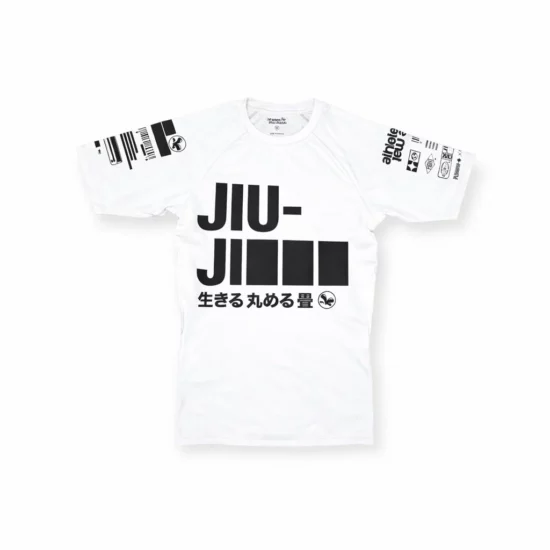
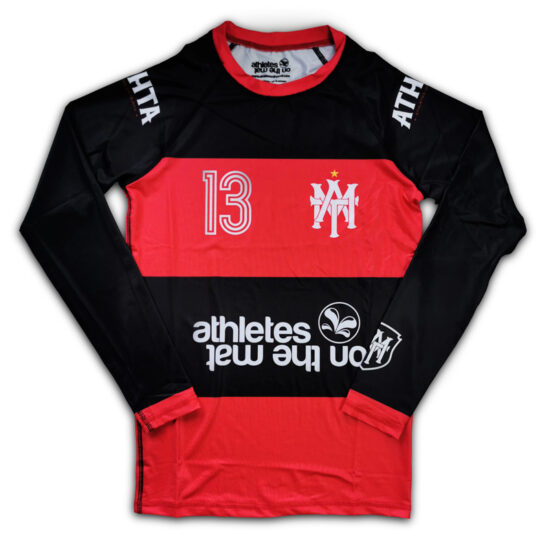
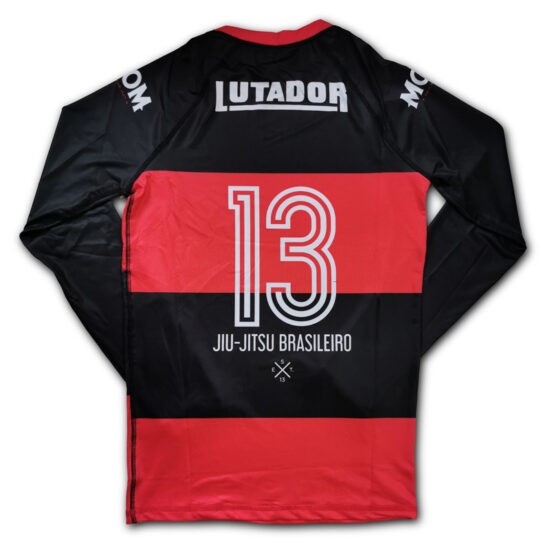
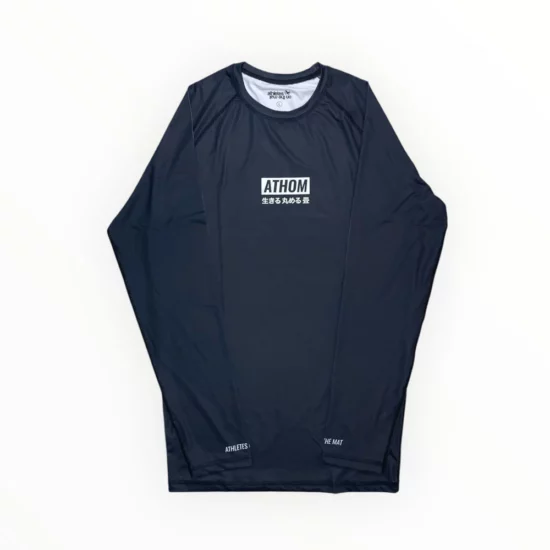
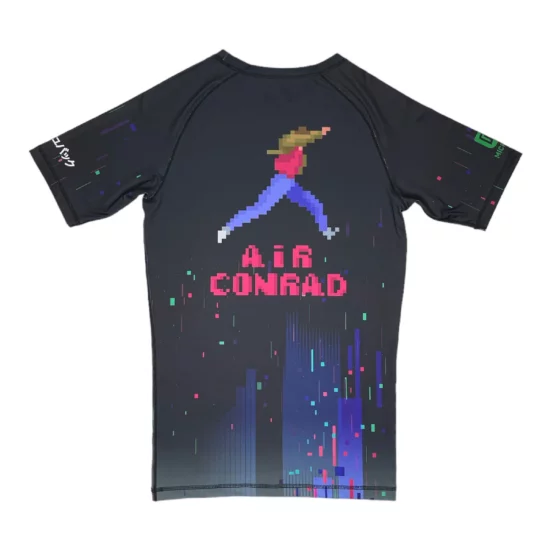
Rashguards sit between your skin and everything else. They cut mat burn, reduce the micro-abrasions that let skin infections in, and hold the muscles under compression. Short sleeve for hot rooms, long sleeve for forearm protection.
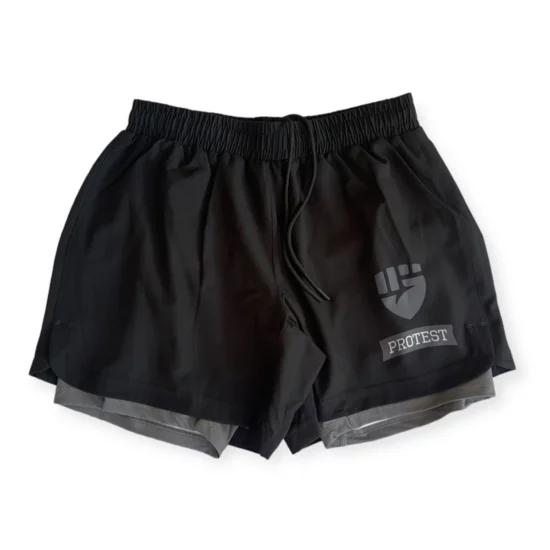
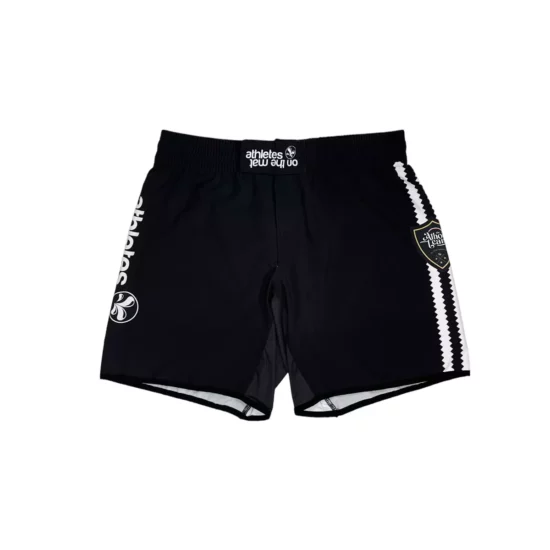
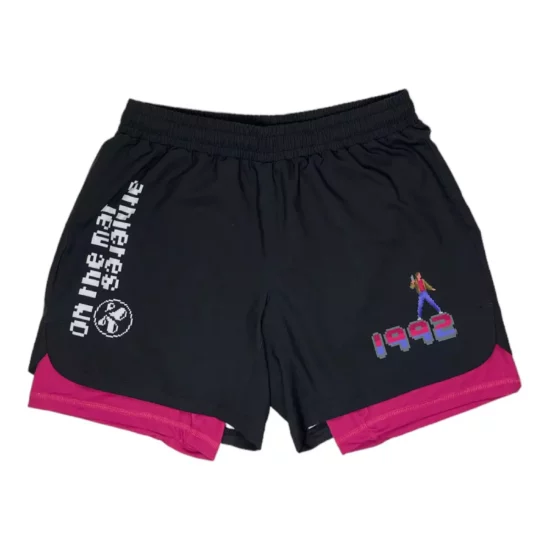
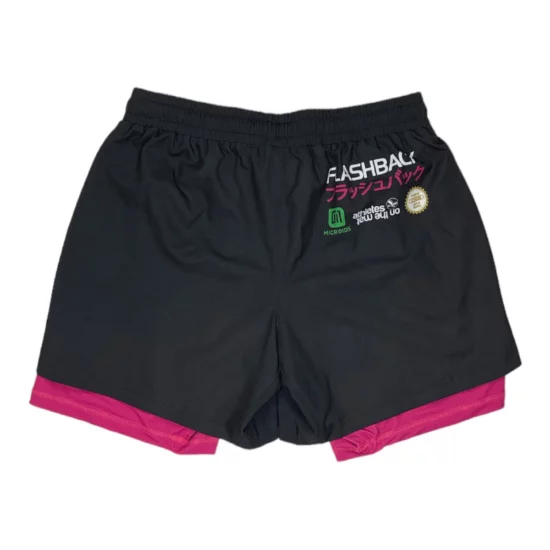
Grappling shorts need a free cut, no pockets and no hardware. A pocket catches fingers and toes, which is why federations ban them outright. Some models carry a built-in compression liner, which removes the need for a separate layer.
Spats cover the legs from waist to ankle. They protect knees and shins on the mat, and they solve the friction problem for anyone who trains in shorts alone.
Hygiene is not optional
No-gi means skin against skin. Ringworm, impetigo and herpes gladiatorum spread through exactly this kind of contact, and a training partner who feels fine today may still be carrying something. Wash everything after every session, at 30 °C, without fabric softener, and dry it in the open air rather than balled up in a bag.
Competition rules, briefly
IBJJF no-gi rules are specific. Rashguards must be black, white, or black and white, carrying at least 10 % of the athlete's rank colour, or be entirely that colour. Shorts must be primarily black, white, or black and white, with no pockets or pockets stitched shut, no metal or plastic, and a length reaching at least halfway down the thigh.
Most local and amateur events apply nothing of the sort. Check the rules of the event you have entered before assuming either way, and keep one compliant set in the bag if you compete on the IBJJF circuit.
Getting the fit right
Everything in no-gi is worn close to the body. A rashguard should be tight without restricting your breathing, and should show no wrinkles across the back: a wrinkle is a grip you handed over for free. Between two sizes, go down if you are lean, up if you are stocky.